Elevating Seafood Marketing: A Guide to High-Impact Social Media Design Templates
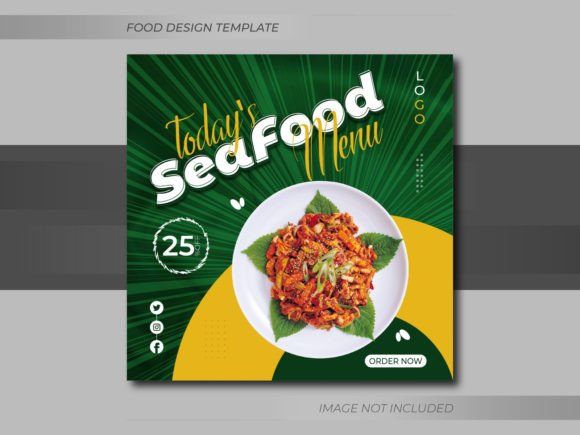
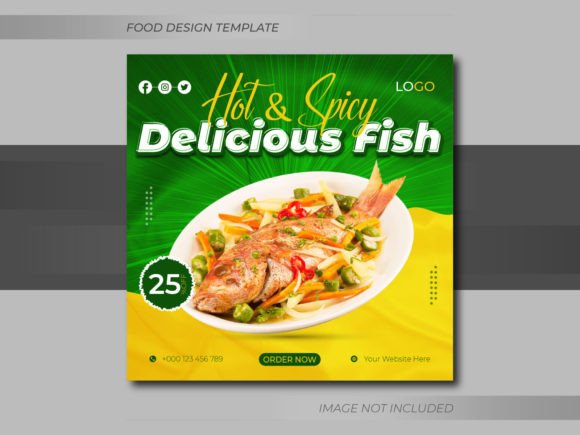
In the bustling world of digital marketing, particularly for the culinary industry, the phrase "you eat with your eyes first" has never been more literal. For restaurant owners, chefs, and food marketers, the challenge is not just cooking delicious fresh fish, but visually translating that freshness and flavor into a format that stops the scroll on platforms like Instagram and Facebook. This is where specialized design assets, such as a Delicious Fish Food Social Media Post or a comprehensive fresh fish restaurant food menu social media Instagram post design, become indispensable tools for business growth.
Understanding the mechanics behind these designs is crucial for anyone looking to promote a food business effectively. Whether you are a seasoned graphic designer or a restaurant owner attempting to manage your own branding, grasping the value of high-quality, editable templates can transform your online presence from amateur to professional.
The Psychology of Visual Appetite Appeal
Before diving into the technical specifications of vector files and resolution, it is essential to understand why these designs work. Human beings are wired to respond to specific visual cues when it comes to food. Colors play a pivotal role in this psychological trigger. A template described as having "beautiful eye-catching color" is not merely an aesthetic choice; it is a strategic one.
For seafood specifically, the color palette often leans towards cool blues, teals, and crisp whites to signify freshness and oceanic origin. However, these are frequently balanced with warm oranges, reds, or golden yellows to stimulate appetite and suggest the warmth of a cooked meal. When a potential customer sees a social media banner that perfectly balances these tones, their brain immediately associates the image with quality and taste.
A well-designed post does more than show a picture of a fish; it tells a story. It suggests the crunch of the batter, the tenderness of the flesh, and the zest of the lemon garnish. This is the core purpose of a dedicated food promotion template: to bridge the gap between a digital image and a physical sensation.
Why Generic Templates Fail Seafood Brands
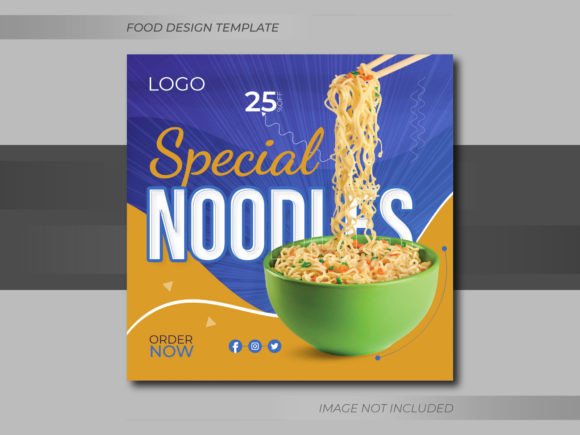
Many businesses make the mistake of using generic food templates that feature burgers or pizzas for their seafood promotions. This creates a cognitive dissonance for the viewer. A template specifically designed for delicious fresh fish includes layout elements that complement the subject matter. This might include wave motifs, nautical typography, or negative space that allows the vibrant colors of sushi, grilled salmon, or fried calamari to pop without clutter.
Using a niche-specific design ensures that the context matches the content. It signals to the audience that this restaurant specializes in seafood, building trust and authority before the customer even reads the menu.
Deconstructing the Technical Specifications
When browsing marketplaces for design assets, you will encounter a list of technical terms that can be overwhelming for beginners. Let us break down the specifications mentioned in high-quality templates—such as High 300 PPI, Adobe Illustrator CC CS6 Vector, and RGB color mode—to understand why they matter for your business.
- High 300 PPI (Pixels Per Inch): This refers to the resolution of the rasterized version of the file (like the JPG preview). While social media screens typically display at 72 PPI, starting with a 300 PPI source ensures that when you crop, resize, or adapt the image for high-resolution displays (like Retina screens on modern smartphones), the image remains crisp and free of pixelation. It guarantees that the texture of the food looks real, not blurry.
- Vector EPS and AI Files: This is perhaps the most critical feature for customization. A vector file uses mathematical equations to draw lines and shapes rather than fixed pixels. This means you can scale the logo, the text, or the decorative elements to any size without losing quality. If you decide to use this design for a massive outdoor billboard as well as an Instagram story, the vector format ensures it looks perfect on both.
- Adobe Illustrator CC/CS6 Compatibility: Mentioning compatibility with versions as far back as CS6 ensures that you do not need the latest, most expensive software subscription to edit the file. It democratizes access, allowing freelancers and small business owners with older software to utilize professional-grade tools.
- RGB Color Mode: Screens emit light, and the RGB (Red, Green, Blue) color model is optimized for digital devices. Using an RGB file ensures that the vibrant blues of the ocean and the rich reds of the tuna appear on your customer's phone exactly as intended, rather than looking dull or washed out as they might in a CMYK (print) file.
Key Takeaway: The "ZIP format" delivery simply means all these varied file types (JPG for quick viewing, EPS/AI for editing) are bundled together for easy download and organization.
The Power of "Easy to Edit" and "Free Font Use"
One of the biggest barriers to entry for restaurant owners trying to create their own marketing materials is the learning curve associated with design software. A template labeled as Easy to Edit usually implies a well-organized layer structure. In Adobe Illustrator, this means that text layers are separated from background graphics, and images are placed in "clipping masks" that allow you to drag and drop your own photos of delicious fish food directly into the frame.
Furthermore, the inclusion of Free Font use is a significant legal and financial benefit. Typography can make or break a design. Professional fonts often come with licensing fees that can accumulate quickly if used commercially. By utilizing a template that specifies free fonts, the designer ensures that you can legally use the typography for your restaurant business purpose without worrying about copyright infringement or unexpected costs. This allows you to focus on the message—promoting your daily catch or weekend special—rather than worrying about legal compliance.
Practical Application in Modern Business
How does this fit into the daily life of a modern restaurateur? Consider the workflow of a busy Friday morning. The chef has just received a shipment of pristine sea bass. The manager needs to announce a "Fresh Catch Friday" special immediately to drive dinner reservations.
Without a template, the manager might take a photo, open a basic app, struggle to find a readable font, and post a lackluster image hours later. With a pre-designed web banner template or Instagram post layout:
- The manager opens the AI or EPS file.
- They double-click the image placeholder and insert the new photo of the sea bass.
- They update the text to say "Fresh Sea Bass - $24.99."
- Because the colors are already harmonized, the post looks cohesive with the brand's previous content.
- The file is exported as a high-quality JPG and uploaded to Instagram within minutes.
This efficiency is vital in the food industry where freshness is time-sensitive. The ability to rapidly deploy high-quality visuals directly impacts revenue.
Clarifying Common Misunderstandings
There are a few assumptions buyers often make about these templates that need clarification to ensure satisfaction.
1. "Image Included": As noted in the specifications, Image Not Included. This is a standard practice in the design industry. The stunning photos of fish you see in the preview are stock images used for demonstration purposes. The buyer is expected to replace these with their own photography. This is actually a benefit, as it forces the restaurant to use authentic photos of their actual dishes, which builds more trust with customers than generic stock photos.
2. "Web Banner vs. Social Post": While the product might be titled for Instagram, the vector nature of the file means it is versatile. You can easily adjust the artboard size in Illustrator to convert a square Instagram post into a rectangular Facebook cover or a website header. The design elements remain scalable and editable regardless of the final dimensions.
3. "Professional Skills Required": While knowing Adobe Illustrator helps, many "Easy to Edit" templates are designed with simplicity in mind. Often, you only need to change text and swap images. However, for those completely new to design, there is a slight learning curve. It is recommended to watch a brief tutorial on "how to edit AI files" to maximize the value of the purchase.
Building a Broader Understanding of Digital Food Marketing
Ultimately, purchasing a Delicious fresh fish restaurant food menu social media Instagram post design is an investment in your brand's identity. In an era where social media acts as the primary storefront for many restaurants, the quality of your digital signage is just as important as the cleanliness of your dining room.
These templates represent the intersection of creativity and technology. They leverage advanced graphic design principles—color theory, typography, and composition—and package them in a user-friendly format that empowers non-designers to compete with larger chains. By understanding the significance of vector files, resolution, and color modes, business owners can make informed decisions that elevate their marketing strategies.
Whether you are promoting a high-end sushi omakase or a casual fish and chips shack, the right visual tools help tell your story. They transform a simple menu item into a desirable experience. As you navigate the world of digital assets, remember that the goal is not just to have a pretty picture, but to have a functional, flexible, and high-quality tool that drives engagement and, ultimately, fills seats at your tables.
By utilizing these resources effectively, you align your business with modern standards of visual communication, ensuring that your delicious fish food gets the attention it deserves in a crowded digital marketplace.