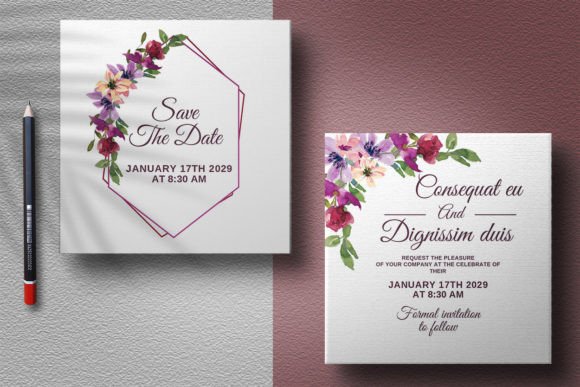
Evaluating the Wedding Invitation Card Design Template for Your Event
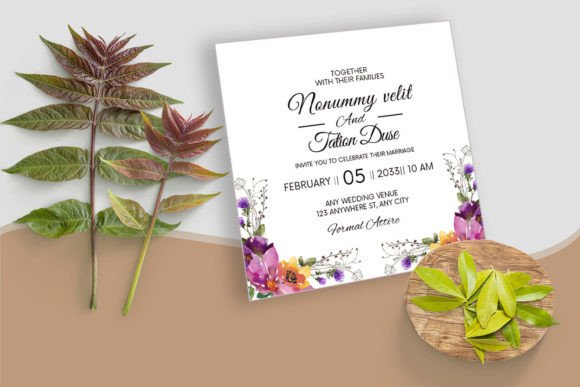
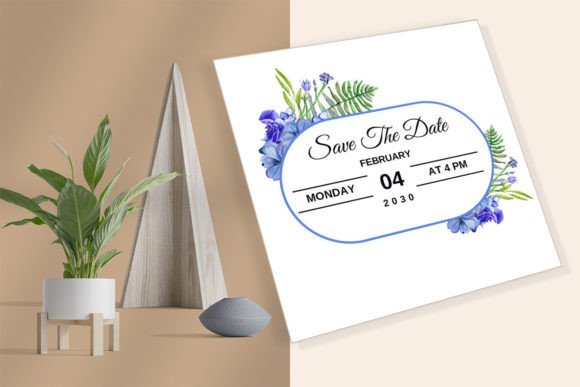
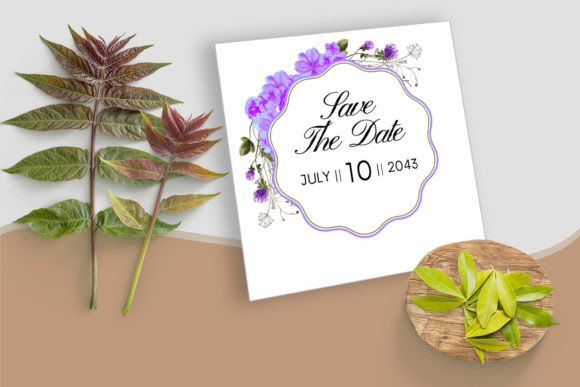
Selecting the right stationery is a pivotal step in event planning, setting the tone for the occasion before guests even arrive. For many couples and hosts, the Wedding Invitation Card Design Template represents a practical solution that balances aesthetic appeal with functional flexibility. This specific design features a floral background suitable not only for weddings but also for birthday parties and other celebratory gatherings. By offering a blend of handwritten typography and organic botanical elements, it caters to those seeking a personalized touch without the high cost of custom illustration.
Understanding the utility of this template requires looking beyond its visual components to its technical capabilities. The core value proposition lies in its dual compatibility: it serves as a very easy-to-edit customizable CANVA template while simultaneously providing native files for Adobe Illustrator (AI, EPS, PDF). This duality addresses a common pain point in digital design procurement—the need for accessibility for non-designers alongside professional-grade control for experienced users.
Key Features and Technical Specifications
The foundation of this design is its adaptability. The template comes with a default size of 5.25" x 5.25" (13.335 x 13.335 cm), a standard square format that is popular for modern invitations. Upon purchase, users receive an instant digital download contained within a single zipped file. This archive includes a comprehensive suite of formats: EPS, AI, PDF, JPG, and PNG. Crucially, it includes a specific "PDF CANVA" file that houses the editing guide and the direct link to the online template.
For users opting for the web-based workflow, the process is streamlined. It requires only basic knowledge of CANVA. The workflow involves opening the provided PDF, clicking the template link, and signing up for a free account if one does not already exist. Once inside the editor, users can modify fonts, colors, and text to match their specific event details. The platform allows for immediate downloading or saving of digital files in PDF, PNG, or JPEG formats, facilitating both home printing and digital distribution via email or social media.
Conversely, users with access to desktop publishing software can utilize the vector files (AI and EPS). These formats allow for infinite scalability without loss of quality, which is essential if the design needs to be enlarged for signage or reduced for favor tags. The inclusion of handwritten fonts adds a layer of warmth and intimacy to the design, mimicking the look of calligraphy while maintaining the legibility required for important event information.
Benefits of a DIY Editable Approach
The primary advantage of utilizing a Wedding Invitation Card Design Template of this nature is cost efficiency combined with creative autonomy. Traditional custom invitation suites often involve hiring a graphic designer for layout and typesetting, followed by significant expenses for professional printing and shipping. By choosing an editable template, the host assumes the role of the designer, eliminating labor costs.
Furthermore, the ability to edit the template offers unparalleled speed. Changes can be made instantly. If a guest list expands or venue details shift, the file can be updated and re-downloaded immediately, avoiding the long lead times associated with ordering proofs from a print shop. The floral design element provides a timeless aesthetic that generally appeals to a broad demographic, reducing the risk of the invitation feeling dated or overly niche.
The versatility of the file formats also supports a hybrid distribution strategy. Hosts can print a limited number of physical copies for key family members using high-quality cardstock at a local print shop, while distributing digital versions to wider circles via messaging apps or email. The PNG and JPG files included in the package are optimized for this digital sharing, ensuring the floral graphics render clearly on various screen sizes.
Considerations and Tradeoffs
While the benefits are substantial, prospective users must evaluate whether this solution aligns with their specific constraints and skill levels. The most significant tradeoff is the requirement for self-management. Unlike full-service stationers who handle proofreading, paper selection, and envelope addressing, the template user is responsible for every detail. This includes ensuring text alignment, checking for typos, and selecting appropriate paper weight and texture if printing physically.
There is also a learning curve, albeit a gentle one. While the CANVA interface is intuitive, users with no prior experience in design software may find decisions regarding font pairing, color contrast, and whitespace management challenging. The template provides the structure, but the final aesthetic outcome depends on the user's editorial choices. Additionally, while the default size is 5.25" square, altering these dimensions significantly within a template can sometimes distort the placement of the floral background elements if not done carefully, particularly in raster-based editors versus vector-based ones.
Another consideration is the printing process. The template files are ready for print, but the user must source the printing service. Home printers often struggle with heavy cardstock or precise color matching compared to professional offset or digital presses. Users aiming for a premium feel may need to research local print shops that accept customer-supplied files, ensuring they understand bleed lines and crop marks, which are typically managed within the AI or PDF files but require user verification.
Ideal Use Cases
This Wedding Invitation Card Design Template is a strong fit for several specific scenarios. It is ideal for couples or hosts operating on a strict budget who still desire a cohesive, professionally designed look. It is also highly suitable for last-minute events where the timeline does not permit the weeks-long turnaround of custom design and traditional printing.
Additionally, it serves well for individuals who enjoy the creative process and want their invitations to reflect personal nuances that pre-printed store-bought cards cannot offer. The inclusion of both CANVA and Adobe Illustrator files makes it perfect for hybrid teams; for instance, a tech-savvy friend might handle the initial layout in CANVA, while a professional printer utilizes the AI files for the final production run.
The floral background makes it particularly appropriate for spring and summer events, garden parties, or rustic-themed weddings. However, because floral motifs are classic, they can be adapted for year-round use depending on the color palette selected during the editing phase.
When to Consider Alternatives
Despite its flexibility, there are situations where alternatives may be worth considering. If the event requires complex structural engineering, such as pocket folds, belly bands, or die-cut shapes that deviate from the standard square, a flat template may not suffice without significant modification skills. In such cases, working with a stationer who specializes in structural design might be necessary.
Furthermore, if the host has zero interest in engaging with technology or design software, the DIY aspect could become a source of stress rather than enjoyment. For those who prefer a hands-off approach, fully customized services or pre-printed bulk invitations with blank spaces for handwriting might be less burdensome, even if they offer less visual customization.
Finally, for extremely large-scale corporate events where brand guidelines must be adhered to with pixel-perfect precision across thousands of units, a dedicated graphic design team working from scratch might provide the necessary level of control and liability protection that a template cannot guarantee.
Making the Decision
Ultimately, deciding whether to proceed with this Wedding Invitation Card Design Template comes down to a balance of budget, time, and desired involvement. If the goal is to achieve a high-end look with handwritten elegance and floral sophistication while maintaining control over costs and timelines, this template offers a robust framework. The availability of support should issues arise adds a layer of security, ensuring that technical hurdles do not derail the planning process.
By evaluating your comfort level with digital tools and your specific printing requirements, you can determine if this editable solution is the right path. For many, the ability to tweak a single element and see immediate results provides a satisfying sense of ownership over the event's first impression. Whether utilized for a wedding, a milestone birthday, or an anniversary, the template stands as a versatile tool in the modern planner's arsenal.