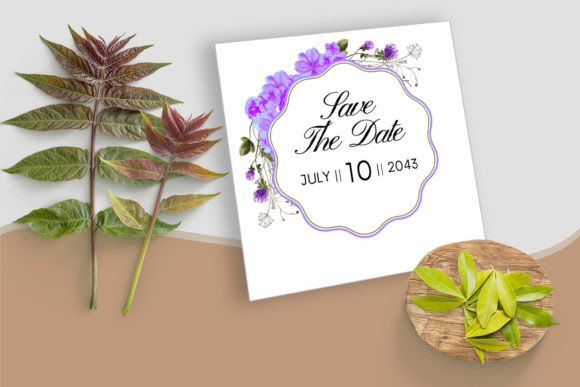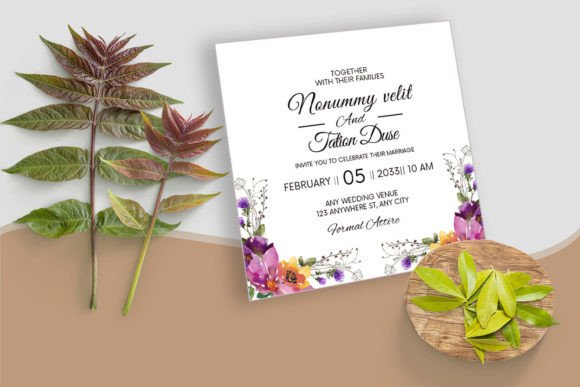
Mastering Custom Invitations with a Flowers Wedding Card Template Design
The journey toward a significant life event, whether it is a wedding, a milestone birthday, or an elegant gala, often begins with the invitation. This first point of contact sets the tone for the entire celebration, offering guests a glimpse into the style and atmosphere they can expect. In the digital age, the demand for personalized, high-quality stationery has surged, leading many creators and individuals to seek flexible solutions like a Flowers Wedding Card Template Design. These resources bridge the gap between professional graphic design and do-it-yourself creativity, allowing users to produce stunning results without needing years of technical training.
Utilizing a floral-themed template provides a timeless aesthetic that resonates with a broad audience. From rustic barn weddings to sophisticated evening parties, botanical elements offer versatility and natural beauty. The modern approach to creating these cards involves leveraging powerful software ecosystems such as Canva and Adobe Illustrator. By understanding the capabilities of these platforms and the specific file formats available, users can unlock a world of customization that was once reserved for professional print shops.
The Versatility of Floral Aesthetics in Event Stationery
Floral designs have remained a cornerstone of invitation aesthetics for centuries, evolving from intricate Victorian engravings to modern watercolor washes. A well-crafted Flowers Wedding Card Template Design capitalizes on this enduring appeal. The organic shapes of leaves and petals soften the rigid structure of text, creating a harmonious balance that is pleasing to the eye. This makes such templates ideal not only for weddings but also for birthday parties, baby showers, and bridal brunches.
The advantage of using a pre-designed floral background lies in its ability to serve as a robust foundation. Instead of starting with a blank canvas, the user inherits a professionally composed layout where color theory and spatial arrangement have already been considered. The handwritten fonts often paired with these floral motifs add a layer of personal warmth, mimicking the look of calligraphy without the steep learning curve. This combination ensures that the final product feels bespoke and intimate, regardless of whether it is printed at home or by a commercial service.
Adapting Designs for Various Occasions
While the primary focus may be on nuptials, the utility of these templates extends far beyond the aisle. A birthday party for a loved one can benefit from the same elegance found in wedding stationery. By simply altering the text and perhaps adjusting the color palette within the editable fields, a single template can be repurposed for multiple events throughout the year. This adaptability is particularly valuable for small business owners, educators organizing galas, or hobbyists who enjoy crafting invitations for friends and family.
For researchers or historians documenting social customs, the shift toward digital templates represents a significant change in how ceremonial culture is produced and consumed. The accessibility of high-end design tools democratizes the creation of formal correspondence, allowing more people to express their unique voices through visual media.
Navigating File Formats: AI, EPS, PDF, and Canva
One of the most critical aspects of selecting a digital template is understanding the file formats provided. A comprehensive package typically includes a variety of files to ensure compatibility with different software preferences. For professionals and advanced users, access to Adobe Illustrator files (AI and EPS) is invaluable. These vector-based formats allow for infinite scalability without loss of quality. Users can manipulate individual anchor points, adjust bezier curves, and completely restructure elements if desired. This level of control is essential for those who need to match specific brand guidelines or require unusual print dimensions.
However, not everyone possesses Adobe Creative Cloud subscriptions or the technical expertise to navigate complex vector software. This is where the inclusion of a PDF Canva file becomes a game-changer. Canva has revolutionized the design industry by offering a user-friendly, browser-based interface. The template described includes a specific PDF guide containing a link to the Canva version of the design. This workflow allows users to bypass installation hurdles and jump straight into editing.
The Workflow for Canva Users
For those opting for the Canva route, the process is streamlined for efficiency. The user begins by opening the provided PDF file and clicking the embedded template link. This action automatically imports the design into their Canva account. If the user does not have an account, they can sign up for free, removing financial barriers to entry. Once inside the editor, the intuitive drag-and-drop interface allows for immediate customization.
- Access: Open the PDF guide and click the template link to load the design.
- Account Setup: Log in or create a free Canva account if necessary.
- Customization: Modify fonts, colors, and text to suit the specific event details.
- Export: Download the finished design in PDF, PNG, or JPEG formats.
- Production: Print at home or utilize Canva's integrated printing services.
This workflow demonstrates the practical relevance of modern templates. They are not static images but dynamic assets designed to interact with cloud-based productivity tools. The ability to save digital files for future use also means that users can create matching thank-you cards or save-the-dates later without restarting the design process from scratch.
Technical Specifications and Print Readiness
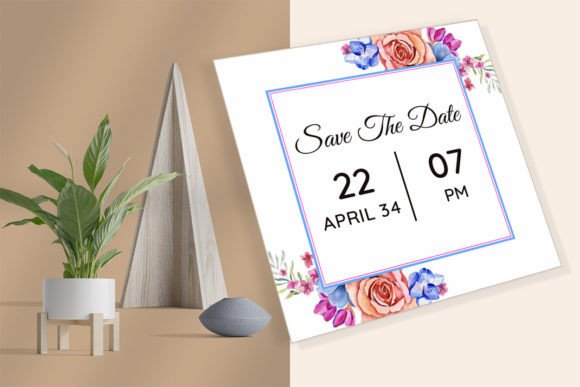
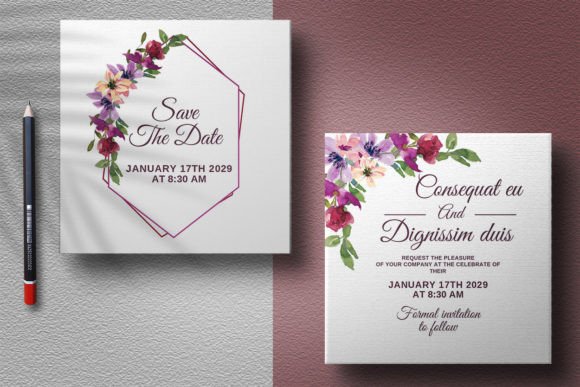
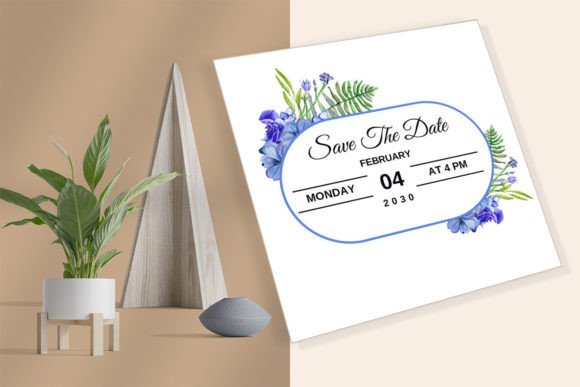
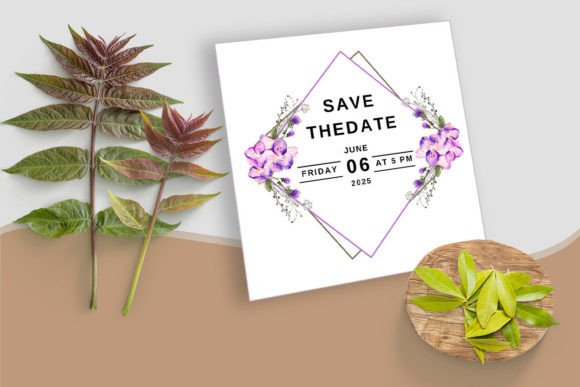
When preparing physical invitations, dimensions and resolution are paramount. The standard size for the template in question is 5.25 inches by 5.25 inches (approximately 13.335 cm x 13.335 cm). This square format is a popular choice in the industry, offering a distinctive look that stands out in a mailbox filled with standard rectangular envelopes. Understanding these measurements is crucial for sourcing the correct envelopes and ensuring that no critical text is trimmed during the cutting process.
The inclusion of high-resolution JPG and PNG files alongside the editable source files ensures that users have options for digital distribution as well. In an era where electronic invitations are common for save-the-dates or informal gatherings, having web-optimized versions of the design is highly beneficial. These raster files are ready to be emailed, shared on social media, or displayed on event websites immediately after download.
Considerations for Home vs. Professional Printing
Users must decide between printing at home or using a professional service. Home printing offers immediacy and the ability to print on demand, which is useful for last-minute changes or small guest lists. However, it requires access to a high-quality inkjet or laser printer and cardstock that can handle the ink without bleeding. Professional printing services, including those offered directly through Canva, often provide superior color accuracy, heavier paper stocks, and specialized finishes like matte or gloss.
For business owners producing invitations for clients, understanding these nuances is part of delivering a high-quality service. Recommending the right paper weight or finish based on the floral design's color density can elevate the final product. Darker floral backgrounds may require specific paper types to prevent show-through, while delicate watercolor flowers might shine best on a textured, cotton-blend cardstock.
Empowering Creators Through Editable Resources
The core value of a Flowers Wedding Card Template Design lies in its editability. The presence of handwritten fonts and customizable floral elements allows the user to imprint their personality onto the design. Whether changing the script font to something more modern or shifting the color scheme from blush pink to navy blue, the template adapts to the user's vision rather than forcing the user to adapt to the template.
This flexibility supports a wide range of creators. Educators can use these tools to teach principles of graphic design and typography. Hobbyists can explore their artistic side without the frustration of technical limitations. Researchers studying the intersection of technology and tradition can observe how digital tools preserve the art of lettering and layout in a new medium. Even for consumers who simply want a beautiful invitation for a family gathering, the ease of use reduces stress and increases satisfaction.
Furthermore, the instant digital download model aligns with the fast-paced nature of modern planning. There is no waiting for shipping; the moment the purchase is complete, the creative process can begin. The zipped file containing EPS, AI, PDF, JPG, and PNG formats ensures that no matter what software or output method the user prefers, they are equipped with the right tools.
Troubleshooting and Support
Despite the user-friendly nature of these templates, questions may arise. Issues with font rendering, color profiles, or linking errors in Canva can occasionally occur. Reputable creators emphasize the importance of support, encouraging users to reach out if they encounter difficulties. This commitment to assistance ensures that the user experience remains positive and that the final result meets expectations. It reinforces the idea that buying a template is not just acquiring a file, but entering a supportive ecosystem designed to help the user succeed.
In conclusion, the integration of floral aesthetics with versatile software compatibility represents the current gold standard in DIY stationery. By combining the timeless beauty of nature with the precision of digital editing tools, these templates empower individuals and professionals alike to create memorable invitations. Whether utilizing the robust vector controls of Adobe Illustrator or the accessible interface of Canva, the end result is a personalized piece of art that celebrates life's most important moments with style and grace.